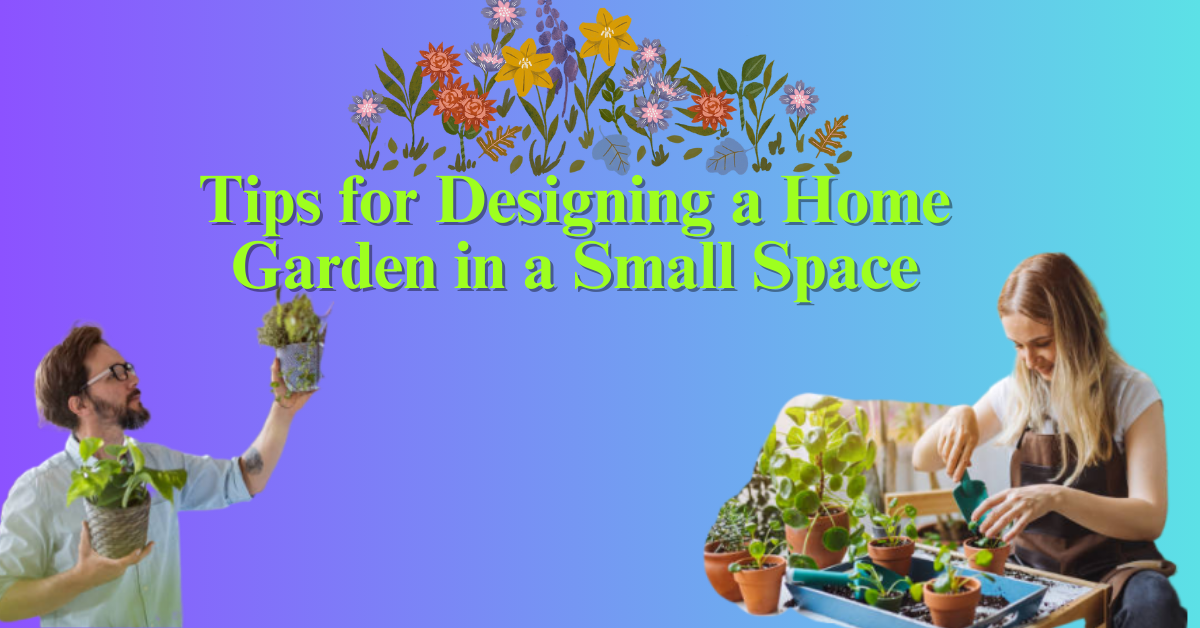
Creating a lush, productive home garden in a limited area requires careful planning and creativity. Even a tiny balcony, patio, or corner of a yard can become a verdant oasis if you use the space wisely. Start by assessing your space: note how much sun and shade different areas receive, observe wind patterns or traffic, and decide what you want (e.g. vegetables, herbs, flowers, or a mix). Sketch a simple plan, thinking from a bird’s-eye view. Simplify shapes and lines – rectangular or geometric beds often work better than many irregular curves in a small area. Remember that in a compact garden, every inch counts. Removing an unnecessary lawn or replacing it with planting beds can free up area for flowers and edibles. Also plan paths or seating with curves or angles – a winding path can make a small garden feel larger by hiding what’s around the corner.
Use Vertical Space
One of the best strategies in a tight garden is to grow up instead of out. Vertical gardening expands your planting area by using walls, fences, trellises, and hanging structures. For example, beans, peas, cucumbers or tomatoes can climb supports, freeing precious ground space. Vertical gardens also make harvest easier (plants are at eye level) and improve air circulation around leaves. There are many options: wall-mounted planters or pocket systems turn any solid wall into a green wall. Freestanding trellises and archways create vines of flowers or veggies. Hanging baskets, suspended shelves, and tiered shelving units take advantage of air space above patios or balconies. For balconies and apartments, even simple window boxes provide greenery without using floor area. Using vertical space not only increases yield but adds a beautiful layered effect to a small garden.
Containers and Raised Beds
Containers and raised beds are ideal for small-space gardens. They give you flexible, defined planting areas that can be placed almost anywhere – on decks, patios, balconies, or even staircases. Containers let you control soil quality and drainage, and you can move them to chase sun or shelter from harsh weather. Choose pots large enough for the plant’s roots (for example, deep pots for tomatoes, smaller ones for herbs) and ensure good drainage holes. Group containers by water needs and style to make care easier and to create attractive clusters.
Raised beds (framed soil boxes) are another smart choice. A raised bed concentrates your gardening into an easy-to-manage plot. It can be any convenient size (a common 4×4 ft bed allows reaching all sides). Use quality soil mixes in raised beds to give plants a nutrient-rich, free-draining home. Raised beds also keep paths clear and reduce weeding, making the garden look neat. By bringing the soil up, you avoid compacted native soil and can tailor the mix (for example, adding compost and coco coir for drainage).
- Choose the right plants for containers: Compact vegetables (cherry tomatoes, peppers, lettuce) and herbs (basil, thyme, mint) thrive in pots. Flowers like marigolds, petunias or pansies add color and can help with pest control.
- Drainage and watering: Always use well-draining potting mix and top dress containers with gravel or perlite to prevent waterlogging. Containers dry out faster than open ground, so water daily in hot weather, and mulch raised beds to conserve moisture. Slow-drip irrigation systems or self-watering pots can save time.
- Fertilizing: Container plants use up soil nutrients quickly. Feed them every few weeks with a balanced fertilizer (or compost tea). In raised beds, mix plenty of compost or aged manure into the soil before planting and reapply a granular feed mid-season.
You may also like: Design a Home Cinema Room
Choose the Right Plants
In a small garden, plant choice makes all the difference. Opt for compact varieties that won’t overwhelm the space. Many seed and nursery catalogs offer “dwarf” or “patio” vegetables bred for small plots. Fast-growing vegetables (radishes, baby carrots, leaf greens) also maximize yield in limited ground. Perennial shrubs or small trees can provide year-round structure: for instance, a dwarf Japanese maple or compact conifer adds vertical interest without towering over the space.
Mixing edibles and ornamentals is both practical and beautiful. Herbs and salad greens at the edge of beds serve as living borders, and edible flowers (like nasturtiums or marigolds) bring splashes of color. Planting companions together can improve health and save space: for example, plant lettuce under taller plants like tomatoes so both thrive. Grow in succession: once a spring crop is finished (e.g. peas or lettuce), replant that spot with a fall crop (spinach or radishes) to keep the garden productive year-round. Also consider seasonal interest – include some plants for winter (e.g. evergreen shrubs, decorative grasses or berries) so the garden looks alive even in off-seasons.
Design and Layout Tricks
Good design makes a small garden feel spacious and cohesive. Use simple, clean layouts rather than cluttered or random planting. For example, straight beds and defined edges can make efficient use of space. Alternately, placing beds at a 45° angle (even just rotating furniture or beds) can create longer sight-lines and make the area feel larger. Incorporate seating or multipurpose features smartly: a small bench or firepit with storage can serve double duty, expanding function without clutter.
Group plants into repeated clusters or drifts for a tidy look. Plant at least three of each species together; this creates unity and avoids the “random Lego” effect of too many single plants. Choose a limited color palette to prevent visual chaos: cool colors (greens, blues, purples) tend to recede and make space feel larger, while bright warm colors (reds, oranges) pop forward. Use warm tones sparingly as accents. Texture is important too: mix leaf shapes and textures for interest, but limit it to a few types so it doesn’t overwhelm.
Don’t forget the vertical boundaries: if a fence or wall encloses your garden, soften it with plants. Climbing vines or tall narrow shrubs will cover plain surfaces, making the boundary feel green instead of confining. For example, train ivy or morning glory up a trellis against the fence.
Finally, think about mirrors or reflective objects (not cited here, but common advice) – placing a mirror or reflective outdoor art can give the illusion of more depth and light in a small courtyard.
Color, Texture, and Focal Points
A focal point or two can trick the eye into seeing a bigger garden. This could be a pot of bright flowers, a small sculpture, or a water feature placed at the end of a pathway. Place taller plants or colorful elements toward the back or far end of the space to draw the eye outward. Use foliage in varying shades to add depth – for example, mix a silvery-leafed plant with deep green to create contrast.
Texture and contrast matter: mix leaf shapes (fine ferns vs. broad hosta leaves) and plant forms (upright grasses vs. trailing vines) to add visual interest. When space is tight, you might limit blooms to a couple of accent colors so the garden doesn’t look too busy. Group potted plants of similar color or material together so they appear as a single large element.
As a finishing touch, some designers suggest repeating architectural materials or colors from your house into the garden (for example, matching patio tiles or paint color in planters) to create a sense of continuity. This blending of indoor and outdoor style can make the garden feel like a natural extension of your home.
Multi-Season Interest and Uses
Plan your small garden for all seasons. In spring and summer, use flowering plants and fresh vegetables. For fall and winter, include evergreen shrubs, decorative grasses, and berries to keep it interesting. For example, a small holly or ornamental grass can provide winter structure. Consider adding a bird feeder or a winter-blooming plant like hellebore to bring life in colder months.
Don’t limit yourself to one function: in a very small area, furniture can double as a planter (a bench with built-in box, or a table with potted centerpieces). Foldable or movable seating allows you to enjoy your garden from within without permanently taking up space.
Indoor Gardening Options
If outdoor space is extremely limited, or you want greenery year-round, consider indoor gardening ideas. Even a sunny windowsill can hold pots of herbs or succulents. A living wall can be created inside with stacked shelves or vertical planters. Terrariums (globe or jar gardens) add plant life with very little space needed. Decorating corners or alcoves with houseplants makes any room feel like a mini-garden. Use small, low-maintenance plants (snake plant, ZZ plant, philodendron) if you’re new to indoor gardening.
Care and Maintenance
A small garden still needs regular care. Keep up with watering, since containers dry out quickly. Check plants often for pests or nutrient needs. Use high-quality soil or potting mix and top it with mulch or gravel to suppress weeds and retain moisture. Feed plants regularly, as nutrient depletion is more likely in small plots or containers.
Prune and harvest often: picking vegetables or trimming herbs encourages more growth and keeps plants compact. Rearrange or trim back anything becoming too leggy. The goal is to keep the garden full yet balanced – if some plants start to crowd others, thin or re-space them.
Remember, part of designing a small garden is editing: you can always remove or replace plants that aren’t thriving, and rearrange pots until the composition feels right.
Conclusion
Designing a home garden in a small space is a fun challenge. By carefully planning your layout, using containers and vertical solutions, choosing compact and multi-purpose plants, and applying design tricks like grouping and color choice, you can create a green oasis that feels much larger than it really is. With thoughtful care and a creative eye, even the tiniest yard or balcony can yield a bounty of flowers, herbs, and vegetables while bringing beauty and relaxation to your home.






Be First to Comment