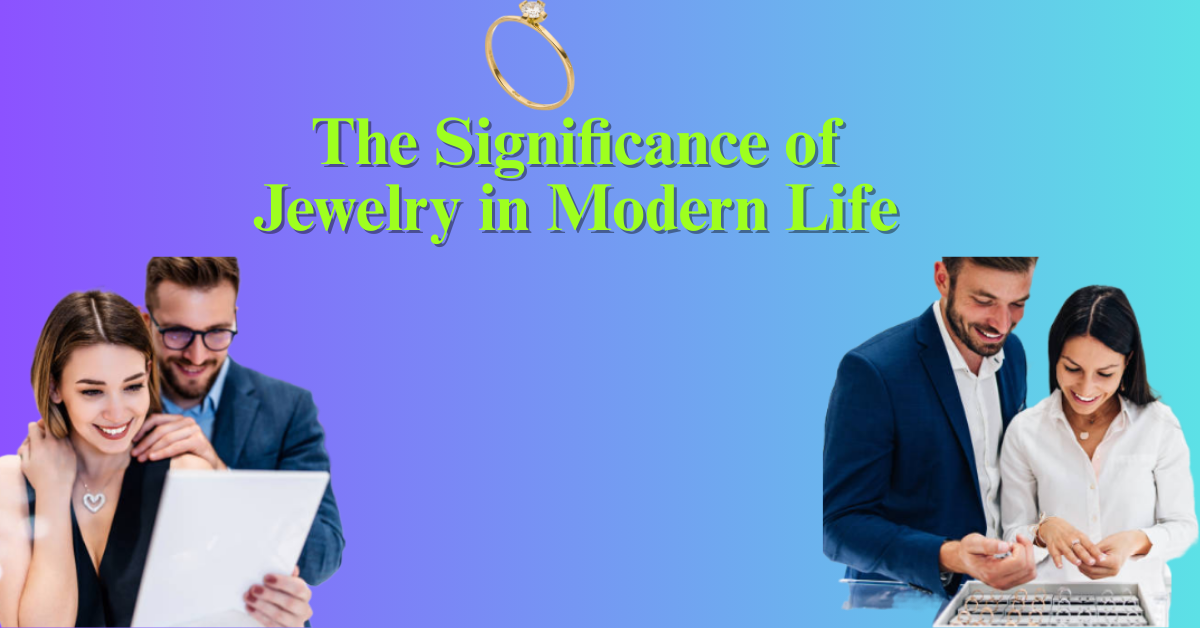
Jewelry today is far more than simple ornamentation. Wearing accessories is a powerful form of self-expression and identity. As one analysis notes, jewelry remains “a powerful medium through which individuals express their identity, emotions, and cultural heritage”. Pieces chosen each day – from a sleek watch to a bold pendant – convey personal style and values even before we speak. In this way, jewelry shapes lifestyle by signaling who we are and what we care about.
Personal Style and Identity
Jewelry often serves as a direct expression of personal identity. Each piece can communicate a wearer’s tastes, background or beliefs. Some people gravitate toward bold statement necklaces or colorful rings, while others prefer minimalist, delicate chains. These choices say something about personality: for example, wearing a unique designer piece can signal fashion-forward confidence, whereas a simple gold hoop might suggest classic elegance. As designer Sheena Levian explains, jewelry lets wearers communicate their “unique personalities, beliefs, and emotions without saying a word”. Over time, familiar pieces may become part of one’s style identity – think of a cherished heirloom or a signature pair of earrings.
Jewelry can also act as a badge of cultural or spiritual affiliation. Religious symbols (like crosses or crescents), ethnic motifs or family crests worn as jewelry proudly display heritage or faith. Likewise, modern charm bracelets and engraved pendants often carry personal meanings. Because of these layers of meaning, jewelry becomes woven into one’s lifestyle and sense of self.
Emotional Value and Symbolism
Beyond fashion, jewelry carries deep emotional meaning. Pieces often serve as tangible reminders of life events, relationships and memories. Levian notes that jewelry “carries sentimental value…of cherished memories and significant life events”. A ring passed down from a grandparent or a necklace given on a special birthday can instantly recall that loved one or occasion. In one example, a granddaughter inherited her grandmother’s locket and wore it on important days; it “became a symbol of enduring love and the continuity of family bonds”. In this way, even a simple piece can feel like a talisman of comfort and connection.
Many pieces also have broader symbolic roles. Wedding and engagement rings famously represent love and commitment. Promise rings or couple’s rings symbolize a shared promise or unity. Cultural ceremonies use jewelry to mark transitions: in some traditions, specific necklaces or bangles denote marital status or prosperity. Because of these shared symbols, jewelry often conveys messages and emotions without words. Whether it’s sparkling diamonds on a wedding day or a simple gemstone gifted between friends, jewelry becomes intertwined with life’s emotions and stories.
Romantic and Social Occasions
In relationships and social life, jewelry is essential. The exchange of rings goes back thousands of years. Experts note that exchanging commitment rings “dates back 5,000 years”. Today, couples continue this tradition. Engagement and wedding rings remain central to modern romance, symbolizing fidelity and partnership. Many modern couples even select matching rings for boyfriend and girlfriend (or husband and wife) to cement their bond. These his-and-hers or matching couple rings help partners “remember the special connection you have, whether you’re near or far”. In other words, coordinated rings act as tangible symbols of togetherness.
Beyond marriage, jewelry marks many social occasions. Anniversary bracelets, friendship necklaces, and gifts like charm bracelets or locket pendants are common. In formal events such as weddings, galas or ceremonies, people often wear more elaborate statement pieces. A bold necklace, a pair of chandelier earrings or a bejeweled cuff can “transform a simple dress into a show-stopping ensemble”. By choosing accessories that reflect the occasion, wearers enhance their emotional expression – celebrating special moments with equally special adornments.
Many couples now also favor modern materials in their romantic jewelry. For example, Tungsten Wedding Bands have become popular choices for contemporary rings. Tungsten is extremely hard and scratch-resistant, so a tungsten band “won’t bend as easily as other metals” and its shine “won’t fade throughout the years”. It’s also hypoallergenic – meaning it “won’t trigger an allergic reaction in anybody” – which appeals to wearers with sensitive skin. These practical qualities, along with sleek modern finishes (like gray or black polished surfaces), make tungsten bands a trendy option for weddings and engagements.
Jewelry in Professional Life
Jewelry even finds a place in professional and corporate settings. Many companies use pieces as rewards or tokens of appreciation. For example, luxury brands explicitly market corporate gifts for employees. Tiffany & Co., for instance, highlights its “striking collection of corporate gifts for employees, clients, business partners and team members,” including fine watches, bracelets and more. Similarly, jewelers note that rings and pendants are often customized with company logos or names and given to recognize outstanding work.
In everyday business attire, the rule of thumb is usually understated elegance. Simple studs or hoop earrings, a classic wristwatch, or a delicate necklace can complement a professional outfit without distracting. These pieces help polish a corporate look and can even convey subtle messages: a sophisticated watch might signal punctuality and ambition, while a discreet lapel pin (with a company emblem) can denote loyalty. In short, even in the office, jewelry plays a role in presentation and relationship-building (e.g. as gifts), blending personal style with professionalism.
Tailoring Jewelry to Roles
Different roles and occasions call for different types of jewelry. For clarity, consider:
- Everyday/Professional – Minimalist pieces work best. Think simple stud earrings, a thin chain necklace, or a leather-banded watch. These items are durable and comfortable for daily wear. They subtly enhance an outfit without overwhelming it (especially important in a conservative office setting).
- Romantic/Personal – Sentimental and personal jewelry shines here. Engagement rings, delicate matching rings or lockets fit the romantic role. Couples might exchange matching rings for boyfriend and girlfriend to symbolize unity and commitment. Personalized pieces (engraved with initials or dates) are also popular, creating a private meaning just for the couple.
- Ceremonial/Festive – Bold and statement jewelry often suits formal occasions. Think bridal tiaras, cocktail rings, or ornate necklaces that complement evening wear. In many cultures, ceremonial jewelry (heavily beaded necklaces, golden bangles, religious pendants, etc.) is part of traditional dress. These pieces emphasize celebration: as one guide notes, the right statement item can turn a simple outfit into something unforgettable.
By choosing jewelry appropriate to the role, people communicate respect for the occasion and reveal facets of their identity.
Trends and Modern Adaptation
The jewelry world is constantly adapting to modern lifestyles. Recent trends highlight both simplicity and personalization. For example, minimalist designs have surged: clear lines, geometric shapes, and small-scale pieces that can be worn every day. As WearFortune explains, this minimalism “emphasizes quality over quantity” and creates pieces suited to busy lives. Yet bold statement jewelry remains popular for those special moments or fashion statements, often featuring unconventional materials or bright colors.
Technology and ethics are reshaping jewelry too. 3D-printing and computer-aided design allow highly customized, intricate pieces that would be difficult by hand. Consumers can now work with designers to create unique rings or pendants reflecting personal stories. Meanwhile, sustainability has become a key concern. Brands increasingly use recycled metals and only ethically sourced gemstones to meet consumer demand for responsibility. Smart jewelry is also emerging: wearable tech like fitness-tracking rings or smart necklaces blends function with fashion (for example, rings that vibrate for phone alerts).
Overall, modern trends in jewelry are driven by values: personalization, sustainability and versatility. Wearers today want pieces that not only look good, but also align with their lifestyle – be it eco-friendly materials, tech integration, or designs that transition from work to weekend.
Conclusion
Jewelry remains a multifaceted part of contemporary life, influencing self-image, relationships and occasions alike. As experts observe, wearing meaningful pieces can become “an integral part of the wearer’s identity”. From daily accessories that express style to ceremonial heirlooms that carry deep emotion, jewelry weaves itself into our personal narratives. Whether given as corporate gifts for employees to honor achievement, exchanged between partners as matching rings, or chosen to reflect modern values like sustainability, these adornments shape how we live and connect today. By understanding the role and meaning of each piece, anyone can use jewelry thoughtfully – blending tradition with personal significance in our ever-evolving lifestyle.








Be First to Comment