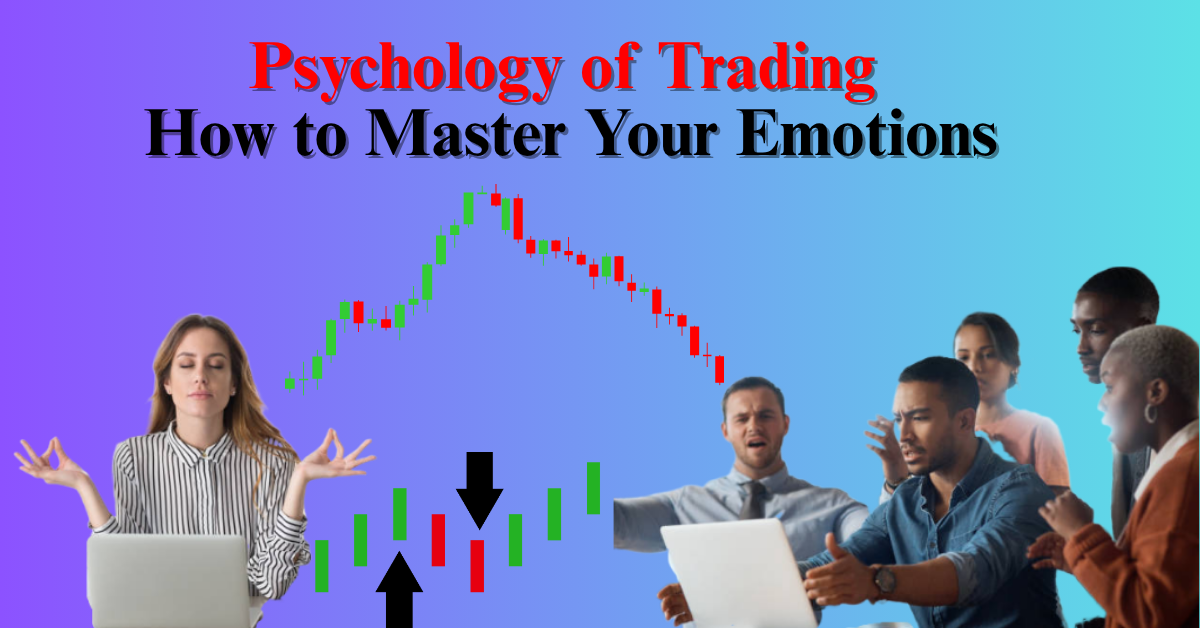
Trading in financial markets is as much a psychological endeavor as a technical one. Emotions like fear and greed can powerfully influence decisions, often overriding analytical strategies. Successful traders recognize that controlling these impulses is critical; as one trading coach notes, a strong trading mindset combines emotional control, disciplined decision-making, and effective risk management. By acknowledging the role of emotions and developing strategies to manage them, traders can improve consistency and performance.
Understanding Trading Psychology
Trading psychology refers to the mental and emotional factors that influence a trader’s decisions and behavior. Key aspects include discipline, risk tolerance, and the ability to stick to a plan. In practice, this means being aware that greed may push us into overly risky trades, while fear may cause us to exit positions too soon. Both can lead to suboptimal outcomes. For example, greed can make a trader hold onto a winning position too long hoping for extra profits, while fear can trigger panic-selling at the slightest downturn. Recognizing these emotional triggers is the first step. In fact, investing psychology research shows that a trader’s portfolio performance is closely linked to their emotional state and cognitive biases during decision-making.
You may also like: How Central Bank Policies Impact Forex Markets
Fear and Greed: Core Emotions
Fear and greed are often called the primary emotional drivers in trading. Fear can manifest as hesitation or panic. For instance, a fearful trader might set stop-losses too tightly, close profitable trades prematurely, or avoid high-probability trades after suffering recent losses. Conversely, greed can lead to chasing profits at any cost. A greedy trader might add to a losing position hoping to recover, ignore exit signals, or use excessive leverage to maximize gains. These behaviors are dangerous. In summary:
- Fear-driven behaviors: missing good trades due to past losses, panic-selling at small drawdowns, and withdrawing from the market after one loss.
- Greed-driven behaviors: abandoning the trading plan for quick gains, overtrading, increasing position size beyond comfort, or holding losers too long on hope of a rebound.
Unchecked, fear can cause traders to earn little by being too cautious, while greed can blow up accounts by taking on too much risk. The key is balance: a trader must remain neither paralyzed by fear nor intoxicated by greed.
Common Cognitive Biases
Besides fear and greed, traders face many psychological biases that can undermine rational decisions. Overconfidence bias leads traders to overestimate their skill after a few wins, causing oversized bets and disregard for risk limits. Confirmation bias causes traders to seek information that matches their beliefs (e.g. only reading news that supports a trade), often leading to stubbornly holding losing positions. Loss aversion means the pain of a loss feels greater than the joy of a win, which can make traders too cautious or encourage them to hold losing trades to “avoid” realizing a loss. Other biases include recency bias (overweighing recent market moves) and the gambler’s fallacy (believing past results affect future odds). Together, these biases can distort judgment: traders may rush into trades to recoup losses, or become overly careful after a string of losses. Being aware of these biases—by writing down reasons for trades and reviewing them objectively—helps traders stay grounded.
Building Discipline and Routine
Discipline is a cornerstone of trading psychology. Without it, even a solid strategy will falter under pressure. For example, a trader who plans to risk 2% per trade may override that rule after a loss and double down, purely out of frustration. To guard against this, successful traders create clear rules and routines. A typical approach is to establish a trading plan before the market opens (defining entry/exit signals and risk limits) and then strictly follow it. Many traders use a consistent pre-market routine – reviewing economic news, technical levels, and setting alerts – to start each day calmly. They also have fixed trading rules such as: only entering positions at predetermined levels, limiting daily losses (e.g. 2% of equity), and always using stop-loss orders. Sticking to these rules even when tempted not to is what discipline looks like. Over time, disciplined routines reduce emotion-driven mistakes and decision fatigue.
Read more about: Top 10 Forex Terms Every Trader Should Know
Practical Techniques for Emotional Mastery
Building emotional resilience requires deliberate habits. Consistent rituals like a structured pre-market checklist or a post-trade review journal help maintain objectivity. Likewise, mindfulness practices and regular breaks support clear thinking during volatility. Below are proven techniques traders use to master their emotions and reinforce discipline:
- Create and follow a written trading plan: Document your strategy (entry, exit, position size, risk per trade) and commit to it regardless of gut feelings.
- Use stop-loss and take-profit orders: Automate exits to prevent panic-selling or hope-driven holding. Never move a stop further just to avoid taking a loss.
- Keep a trading journal: Record every trade along with the reason and how you felt. Over time, this reveals patterns – for example, if you consistently exit winners early due to anxiety.
- Trade small initially: Lowering your risk per trade or trading smaller account size reduces emotional pressure. When losses are small, it’s easier to stick to your plan.
- Set strict loss limits: Determine in advance the maximum you’re willing to lose per trade or per day, and stop trading if you hit that limit. This protects both capital and your confidence.
- Accept losses as part of the process: View each losing trade as a lesson, not a personal failure. This mindset (often called a growth mindset) prevents frustration and revenge trading.
- Practice mindfulness or meditation: Simple breathing exercises or brief meditation sessions before trading can calm the mind and improve focus. Even a minute of deep breathing during a pause can reset emotional intensity.
- Take regular breaks: Step away from screens at set intervals. A walk, some exercise, or just looking away refreshes your perspective. A break during a volatile session stops tunnel vision and reduces impulsivity.
- Review and adjust: After each trading day, spend a few minutes reviewing what went well and what didn’t, without judgment. Celebrate disciplined decisions (even small ones) and note areas to improve. This constructive review builds confidence over time.
Implementing these habits consistently turns emotional discipline into a skill. Traders who do so report steadier performance: one study noted that systematic emotional-control practices can significantly improve trading outcomes.
In addition to these practices, it helps to cultivate a long-term perspective. Trading success is rarely about being right on every trade; it’s about making good decisions over time. As one trading coach advises, “the best traders think in probabilities, not predictions. They view trading as a long game – each trade is one step, not a make-or-break event”. Keeping this big-picture view reduces the emotional weight of individual trades.
Conclusion
Mastering the psychology of trading is essential for any trader—novice or veteran—seeking consistent success. Understanding how fear, greed, and other biases influence decisions allows you to design a trading approach that accounts for them. By building discipline through routines and by practicing techniques like journaling and mindfulness, traders can keep emotions from derailing their plans. In fact, one trader aptly noted that “your charts show price, but your mind shows discipline” – meaning that controlling the mind is ultimately what makes the difference. In the end, even the best strategy will fail if the trader’s mindset falters. Embrace a growth mindset, stick to your rules, and remember that trading is a marathon, not a sprint. With patience and persistence in managing emotions, you’ll trade with greater confidence and resilience.






Be First to Comment