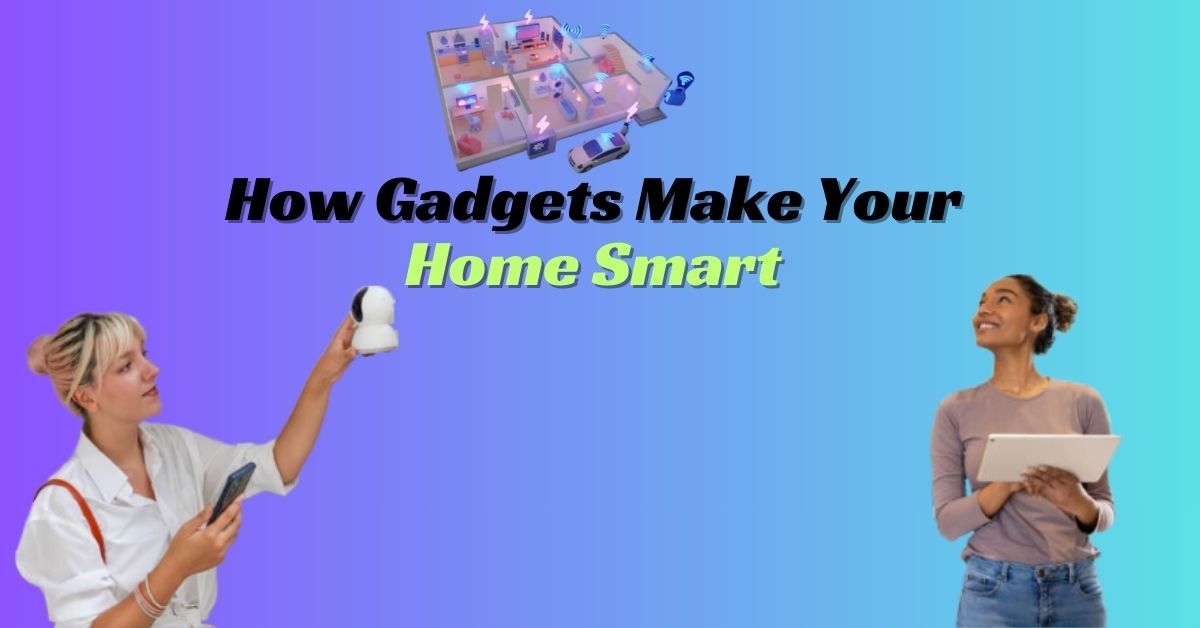
A smart home integrates internet-connected devices to automate household tasks and provide remote control over lighting, climate, security, and more. Modern smart home systems use a central hub or voice assistant along with apps to manage devices like thermostats, lights, and door locks. This connectivity lets families and renters monitor and adjust settings from anywhere using their smartphones or voice commands. For example, a smart thermostat can learn a family’s heating schedule and lower temperatures when nobody’s home, automatically waking the house up before residents return. Across the globe, smart home adoption is growing rapidly: over 258 million households had at least one smart device by 2023, and industry analysts expect the smart home market to surpass $200 billion within a few years. These innovations offer substantial benefits in convenience, energy savings, security, and remote accessibility.
Automation and Convenience
Smart home gadgets greatly simplify daily routines through automation and hands-free control. Devices like voice-activated assistants and programmable hubs allow homeowners to control multiple systems without lifting a finger. For instance, voice assistants can turn on lights, play music, or set reminders using simple spoken commands. Automated schedules and “scenes” let you trigger a chain of actions — such as dimming the lights, closing the blinds, and lowering the thermostat at bedtime — with one command or time-based rule. Motion and occupancy sensors add convenience and safety: they can turn on lights when you enter a room or shut down HVAC if windows are open. In a unified ecosystem, all smart devices can work together via a single app or hub, creating a seamless experience.
Energy Efficiency and Sustainability
Smart gadgets help cut utility bills and reduce environmental impact by optimizing energy use. Smart thermostats, for example, automatically learn and adjust to your heating/cooling schedule, avoiding wasted energy when the home is empty. Energy Star-certified smart thermostats typically save about 8% on heating and cooling costs by reducing run-time when nobody’s home. Smart lighting systems use LED bulbs and can dim or switch off lights based on occupancy and daylight. High-efficiency LED smart bulbs use roughly 75% less energy than incandescent bulbs. One study even projects that widespread adoption of smart lighting (often paired with motion sensors and daylight sensing) could slash lighting energy use by up to 40–50%. Smart plugs and outlets eliminate “phantom” loads by powering down unused devices on schedule, and some models report power usage so you can track what appliances consume the most energy. Overall, smart home systems provide energy-usage data and insights, helping users make informed decisions to save money and resources.
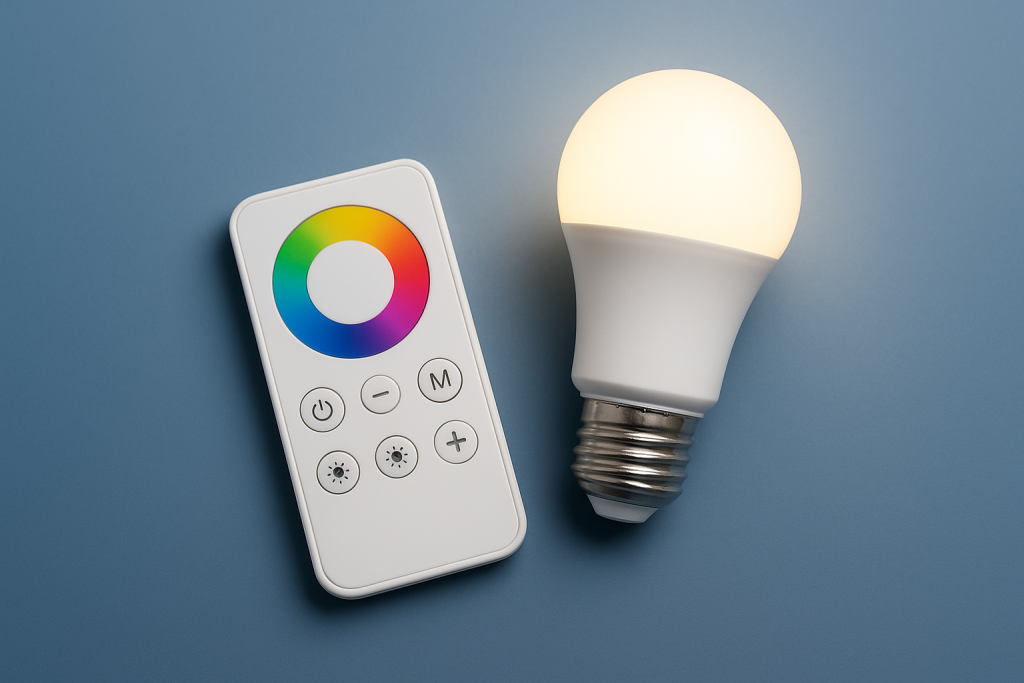
Smart LED bulbs can be controlled remotely or on schedules, greatly reducing wasted electricity. In this image, a modern Wi-Fi–enabled bulb lies on a table, representing how smart lighting uses efficient LEDs and app-based controls to conserve energy.
Security and Safety
Smart gadgets also bolster home security and safety. Connected security systems include video doorbells, surveillance cameras, smart door locks, and motion sensors that actively monitor for intruders or hazards. For instance, a smart doorbell camera notifies you on your phone when someone approaches, and two-way talk lets you communicate remotely. Smart locks allow keyless entry via codes or smartphone apps, and you can grant temporary access to guests even when you’re away. Motion and contact sensors can trigger alarms or lights if unexpected movement or door/window opening is detected. These devices log entry times and send real-time alerts, giving families peace of mind. In fact, surveys show security is a top priority: a majority of renters say feeling safer is their primary reason for wanting smart home features. Smart smoke, CO, and leak detectors further protect property and lives by alerting you instantly to fire, gas, or water problems even if you’re not home.
Modern security cameras provide live video feeds and instant alerts. This smart surveillance camera (seen here in a public space) illustrates how home cameras use motion detection and cloud streaming to keep homeowners connected to their property.
Read more: Effective Housecleaning – 10 Essential Steps For A Happy Home
Remote Access and Control
One of the defining advantages of smart home gadgets is the ability to manage your home from anywhere. Almost every smart device offers an app or cloud interface, so you can adjust the thermostat, turn off forgotten lights, or check camera feeds while at work or on vacation. Remote access also benefits family life. For example, a parent working late can raise the heat before children arrive home, or an owner can let a pet sitter in via a smart lock remotely. Community-wide systems (in apartment complexes or neighborhoods) use connected intercoms and networks to share internet and security access. As a result, modern homes become more secure and convenient: even when you’re miles away, you can keep tabs on energy use, receive safety alerts, and control appliances.
Smart Home Device Categories
Smart Thermostats: These thermostat units replace traditional models by using Wi-Fi and sensors. They learn your schedule and can be adjusted via smartphone or voice. For example, they might lower heating when you leave and raise it when you’re on your way home. They often include geofencing (using your phone’s location) and weather integration to optimize comfort and efficiency. Many show energy reports and tips, so you know how much heating/cooling each day costs.
Smart Lighting and Smart Plugs: Smart bulbs and switches give you remote control over lighting and appliances. Wi-Fi or Bluetooth–connected LED bulbs (and even multi-color bulbs) let you set schedules, dim or color-change lights from an app, and even sync lights together. Motion detectors can automate hallway lights when you walk by. Smart plugs work like app-controlled power outlets: you plug a lamp or appliance into a smart plug to switch it on/off remotely, put it on a timer, or monitor its energy use. This is especially renter-friendly since it requires no rewiring – just plug into existing sockets.
Smart Security Systems: This category includes doorbell cameras, indoor/outdoor cameras, smart door locks, window/entry sensors, and security hubs. They function together to protect your home. Cameras stream video over Wi-Fi and may use infrared for night vision. Door/window sensors trigger alerts if the home is breached. Smart locks (battery-operated) bolt or unbolt doors via app or keypad, and can auto-unlock when you come near. All these devices typically send push notifications to your phone during emergencies or access events, and store logs or clips in the cloud.
Voice Assistants and Hubs: Voice-controlled speakers and dedicated hubs serve as the “brain” for many smart homes. Products with built-in assistants (Amazon Alexa, Google Assistant, etc.) allow hands-free control of all your devices. You can ask these to play music, answer questions, or give news updates, but in the home they also adjust lights, thermostats, locks and more by voice. Hubs (sometimes software on a tablet) coordinate devices of different brands and protocols (Wi-Fi, Zigbee, Z-Wave). Essentially, a voice assistant or hub unifies smart gadgets so you can control them with a single app or voice command.
Other Smart Devices: Beyond these, there are smart home appliances (like fridges that remind you of expiration dates or washing machines that run at off-peak hours), garage-door openers you operate via phone, smart irrigation controllers that water only when needed, and even robot vacuums you can schedule remotely. All contribute to a modern smart home ecosystem.
Smart Home for Renters and Families
Smart home technology can benefit both homeowners and renters, though installation methods may differ. Renters can start small with plug-and-play devices that require no drilling or re-wiring – for example, smart bulbs, plugs, and portable security cameras (often battery-powered). These can be taken to a new apartment and used without altering the property. Some smart locks and sensors attach with adhesives or fit over existing hardware, letting renters upgrade access control without permanent changes. According to industry surveys, a large majority of renters want smart features: over 80% say they expect at least one smart device in their home. Renters especially value smart locks, thermostats, and cameras as moving into “smart-ready” apartments becomes common. Property managers often offer internet-connected locks and thermostats to appeal to tech-savvy tenants.
For families, smart homes mean convenience and extra safety. Parents can check on sleeping toddlers via indoor cameras, get alerts if a child opens a door, or use voice commands to play a bedtime story. Busy parents benefit from automating tasks: a morning routine might trigger lights on, coffee started, and favorite news reading via a smart speaker. Families often appreciate the energy savings too; tracking usage on appliance monitors can teach children about conservation. Importantly, smart doorbells and locks let families grant access (for pet sitters or relatives) remotely without giving out keys. In short, smart gadgets can make family life easier while saving time and money.
Getting Started and Considerations
Setting up a smart home requires reliable internet and some planning. Devices typically connect via the home Wi-Fi or a dedicated hub. Ease of use has improved: many gadgets use simple apps and guided setup. Beginners can start with one ecosystem (e.g. choose one voice assistant) and add compatible devices over time. Privacy and security should be considered: use strong passwords, change default codes, and keep devices updated to protect personal data. While initial costs can be high, prices have been falling and many devices pay for themselves through energy savings or preventing damage (for example, a smart water sensor can avoid costly flooding). Whether you own or rent, even adding a few smart gadgets can make your home more efficient, secure, and convenient.
Smart home gadgets are rapidly transforming modern living. By automating everyday tasks, cutting waste, and allowing complete remote control, they give homeowners and renters alike more comfort and peace of mind. As these technologies continue to advance and costs drop, “smart living” is becoming an accessible reality for families around the world, turning ordinary houses and apartments into intelligent, connected homes.






Be First to Comment